Cricket is not just a sport; it is a passion that unites millions across the globe. Over the decades, cricket has given us moments of extraordinary skill, intense competition, and sheer drama. Among thousands of matches, a few stand out as truly iconic, earning a permanent place in cricket history. These matches go beyond mere scores and statistics; they shape careers, ignite national pride, and inspire generations of players and fans alike. From epic Test matches and nail-biting One Day Internationals to thrilling T20 contests, iconic cricket matches are remembered for the drama, emotion, and skill that they showcase. They define the essence of the sport, leaving memories that last a lifetime. The importance of these matches lies not only in the results but in the way they are played, the stories they create, and the passion they generate among cricket lovers. A match becomes iconic when it features high-pressure situations, historic performances, dramatic comebacks, or extraordinary individual brilliance. These are the games that are talked about decades after they are played, that shape the culture of cricket in a country, and that inspire young cricketers to pursue greatness. Every cricket fan has a list of matches they will never forget, whether it is a last-ball thriller in a World Cup final or a monumental Test innings that turned a series on its head. Understanding what makes a match iconic helps us appreciate why these games are remembered and celebrated long after the players have left the field. Iconic cricket matches often redefine rivalries, elevate players to legendary status, and create moments that resonate far beyond the stadiums. The emotional connection fans feel during these matches is unmatched, and it is this connection that makes cricket more than a game; it becomes a story of courage, skill, and passion that everyone can relate to.
Table of Contents
Iconic Test Cricket Matches in History
The Ashes 2005: England vs Australia at Edgbaston
One of the most celebrated Test matches in cricket history is the second Test of the 2005 Ashes series at Edgbaston. England won the match by just two runs, one of the closest finishes ever in Test cricket, creating a spectacle of tension and excitement that captured the imagination of fans worldwide. Australia, chasing a target of 282 runs, came agonizingly close to victory before being bowled out for 279. Andrew Flintoff’s all-round performance, which included crucial wickets and a match-defining innings, turned the game in England’s favor. The intensity of the final day, with wickets tumbling and the scoreline shifting constantly, kept fans on the edge of their seats. This match is widely credited with reviving global interest in Test cricket, which at the time was facing challenges from shorter formats, and it remains a classic example of how a single Test can become a cultural event, symbolizing national pride and sporting excellence. The match also showcased remarkable sportsmanship, with players giving their all while maintaining respect for opponents, reinforcing why cricket is often described as a gentleman’s game.
India vs Australia, Kolkata Test 2001
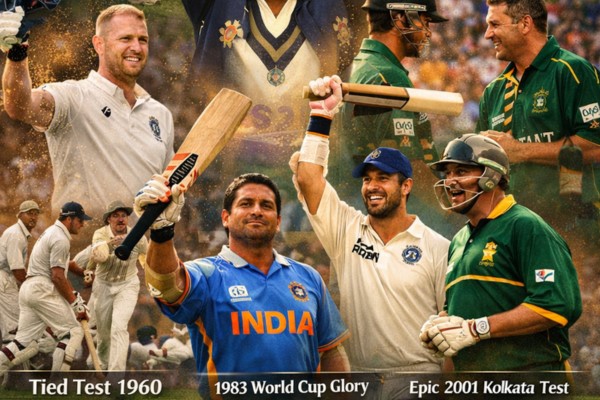
The 2001 Kolkata Test between India and Australia is remembered as one of the greatest comebacks in cricket history. India had been forced to follow on after a poor first innings performance, and all seemed lost against an Australian team riding a 16-match winning streak. However, a monumental partnership between VVS Laxman and Rahul Dravid changed the course of the match. Laxman’s epic 281 and Dravid’s resolute 180 not only stabilized India’s innings but also turned the match into a legendary contest of skill, patience, and determination. India set a challenging target, and Harbhajan Singh’s inspired bowling performance sealed a historic victory. This match is celebrated not just for the scorecard but for the psychological triumph of a team refusing to give up against a dominant opponent, demonstrating the resilience and strategic brilliance required in Test cricket. The Kolkata Test remains a touchstone for aspiring cricketers, illustrating that mental strength and teamwork are as important as technical skill in achieving victory in high-pressure situations.
West Indies vs Australia, Brisbane Test 1960
The Brisbane Test of 1960 between West Indies and Australia is historically significant as the first tied Test in cricket history. Both teams fought fiercely, with the match coming down to the final moments. In an unforgettable climax, Australia were run out attempting a winning run, resulting in a rare tie. The game exemplified competitive spirit and sportsmanship, with both sides displaying courage, skill, and determination. This match highlighted the unpredictability of Test cricket and the importance of every single run and wicket, reinforcing why cricket is considered a sport where patience and strategy can be just as decisive as power and speed. The tie at Brisbane remains a benchmark for drama in cricket, symbolizing how a match can captivate fans and elevate the game’s global appeal, setting standards for future contests in Test cricket.
Iconic One Day International Matches
Cricket World Cup 1983 Final: India vs West Indies
The 1983 World Cup final at Lord’s is one of the most iconic matches in cricket history, particularly for India. Against the mighty West Indies, India defied the odds to secure their first-ever World Cup triumph. Led by Kapil Dev, India’s disciplined bowling and tactical brilliance dismantled a dominant West Indies batting lineup. Kapil Dev’s crucial innings and his legendary catch dismissing Viv Richards became defining moments of the match. This victory was transformative for Indian cricket, inspiring a generation of players and fans, and marking the beginning of India’s rise as a cricketing powerhouse. The 1983 final is remembered for its emotional resonance, dramatic gameplay, and the way it captured the imagination of a cricket-crazy nation, proving that determination and teamwork can overcome even the most formidable challenges.
Cricket World Cup 1999 Semi-Final: Australia vs South Africa
The 1999 World Cup semi-final between Australia and South Africa remains one of the most dramatic and intense ODI matches ever played. Chasing 214, South Africa needed just one run from four balls with one wicket remaining. A miscommunication between Allan Donald and Lance Klusener resulted in a run-out, creating a tie that allowed Australia to advance to the final due to their superior Super Six record. The match is remembered for its tension, unpredictability, and the heartbreak experienced by fans witnessing a game decided by a single moment of misfortune. This semi-final exemplifies how ODI cricket can provide extraordinary excitement and suspense, leaving lasting memories and valuable lessons about focus, teamwork, and handling pressure.
Cricket World Cup 2011 Final: India vs Sri Lanka
The 2011 World Cup final at Wankhede Stadium, Mumbai, holds a special place in cricket history. India chased a target of 275 after losing early wickets, but a stabilizing partnership between Gautam Gambhir and MS Dhoni turned the tide. Dhoni’s decisive six to seal the victory became an iconic moment celebrated by cricket fans worldwide. This match marked India’s second World Cup win, 28 years after their 1983 triumph, and highlighted the importance of leadership, composure under pressure, and strategic batting partnerships. The 2011 final also reinforced the significance of cricket in Indian culture, inspiring young players and uniting fans across the country in celebration.
Iconic T20 Cricket Matches
ICC T20 World Cup 2007 Final: India vs Pakistan
The final of the inaugural ICC T20 World Cup in 2007 between India and Pakistan played a crucial role in popularizing the T20 format. Defending a modest total, India managed to hold off a strong Pakistan batting lineup. The match reached a dramatic conclusion in the final over when Joginder Sharma bowled under immense pressure, resulting in the dismissal of Misbah-ul-Haq with a crucial catch by Sreesanth. This encounter showcased the intensity, unpredictability, and excitement of T20 cricket, laying the foundation for the global explosion of T20 leagues, and cementing the format as a major part of modern cricket. The 2007 final is remembered not only for its thrilling conclusion but also for demonstrating how strategy, nerves of steel, and fielding brilliance can influence outcomes in the shortest format.
IPL 2019 Final: Mumbai Indians vs Chennai Super Kings
The IPL 2019 final between Mumbai Indians and Chennai Super Kings is widely regarded as one of the greatest matches in franchise cricket history. Mumbai Indians defended a modest total, winning by just one run, highlighting the high-pressure situations that make the Indian Premier League so entertaining. Lasith Malinga’s final over heroics showcased the value of experience, composure, and tactical intelligence in T20 cricket. The game exemplified the drama and competitive intensity of IPL finals, with every ball and every run carrying enormous significance. This match also demonstrated the evolution of T20 cricket, blending strategy, athleticism, and entertainment to create a spectacle that captivated millions of fans worldwide.
England vs New Zealand, T20 World Cup Final 2022
The 2022 T20 World Cup final between England and New Zealand highlighted modern T20 cricket at its best. Both teams showcased tactical planning, skillful execution, and mental toughness, keeping fans engaged throughout the contest. England’s balanced performance with bat and ball ultimately secured victory, underscoring their dominance in white-ball cricket. This final demonstrated the growing sophistication of T20 cricket strategies and highlighted the global appeal of the format, emphasizing the blend of fast-paced action, dramatic finishes, and high skill levels that define contemporary T20 competitions.
Iconic Matches Defined by Individual Brilliance
Sachin Tendulkar’s Desert Storm: India vs Australia, 1998 Sharjah
Sachin Tendulkar’s consecutive centuries against Australia in Sharjah during the 1998 Coca-Cola Cup earned him the nickname “Desert Storm” and became one of the most memorable individual performances in cricket history. Battling extreme heat, hostile bowling, and immense pressure, Tendulkar dominated the opposition, single-handedly leading India to victory. These innings are celebrated not only for the runs scored but also for the mental resilience, technical mastery, and courage displayed under challenging conditions. Tendulkar’s performances inspired countless young cricketers worldwide, exemplifying how individual brilliance can influence team outcomes and become legendary in the annals of cricket history.
Brian Lara’s 153*: West Indies vs Australia, 1999
Brian Lara’s unbeaten 153 against Australia in 1999 is remembered as a masterclass in batting under pressure. Chasing a challenging total of 308, Lara anchored the West Indies innings almost single-handedly, displaying unmatched composure, shot selection, and endurance. His innings highlighted the importance of technique, concentration, and leadership in cricket, especially when the team is under pressure. Lara’s performance is iconic not only because of the runs but because it exemplified the ability of a single player to influence the outcome of a high-stakes match and leave a lasting impression on cricket fans worldwide.
Ben Stokes at Headingley 2019: England vs Australia
Ben Stokes’ innings of 135* at Headingley during the 2019 Ashes series stands as one of the greatest in Test cricket history. England, chasing 359, appeared destined for defeat until Stokes orchestrated a remarkable counterattack, guiding the team to an improbable one-wicket victory. His resilience, creativity, and fearless approach under extreme pressure demonstrated the potential for individual brilliance to change the course of a match. Stokes’ performance remains a modern example of cricketing heroism, showcasing how determination, skill, and mental toughness can create unforgettable moments that are cherished by fans for years.
Iconic Cricket Matches and Their Lasting Impact
Iconic cricket matches have a profound influence on the sport itself. They inspire rule changes, motivate players, and impact team strategies. Matches such as the 2005 Ashes revitalized interest in Test cricket, while the 2007 T20 World Cup final accelerated the global growth of T20 leagues. World Cup victories have transformed cricketing cultures in countries like India and Sri Lanka, increasing investment in infrastructure, encouraging grassroots development, and enhancing the global popularity of the game. These matches often become cultural milestones, representing perseverance, skill, and national pride. They are remembered not just as sporting events but as moments that unite communities, inspire young athletes, and elevate the game to a global phenomenon.
Why Fans Continue to Relive Iconic Matches
Fans relive iconic cricket matches because they evoke deep emotions, from joy and pride to heartbreak and exhilaration. These games illustrate the unpredictability and excitement of cricket, where a single ball or a single decision can change the outcome dramatically. Highlights, documentaries, and media coverage ensure that new generations experience these legendary moments. Stories of heroic performances, dramatic comebacks, and tense finishes are passed down, reinforcing cricket’s status as more than just a game—it is a shared experience, a narrative of human effort, courage, and skill that transcends boundaries and generations. Iconic matches connect fans to the history of the game, creating a collective memory that strengthens the emotional bond between players, teams, and supporters.
Conclusion
Iconic cricket matches are the lifeblood of the sport, capturing the essence of competition, resilience, and sportsmanship. They remind us why cricket is unique, unpredictable, and thrilling. From historic Test match comebacks and unforgettable World Cup finals to breathtaking T20 contests and extraordinary individual performances, these matches define the rich tapestry of cricket history. Each iconic game serves as a testament to human skill, mental strength, and the spirit of competition. As cricket continues to evolve, new legendary matches will emerge, yet the classics will always hold a special place in the hearts of cricket fans worldwide, inspiring passion, admiration, and a deep love for the sport.
Related Posts
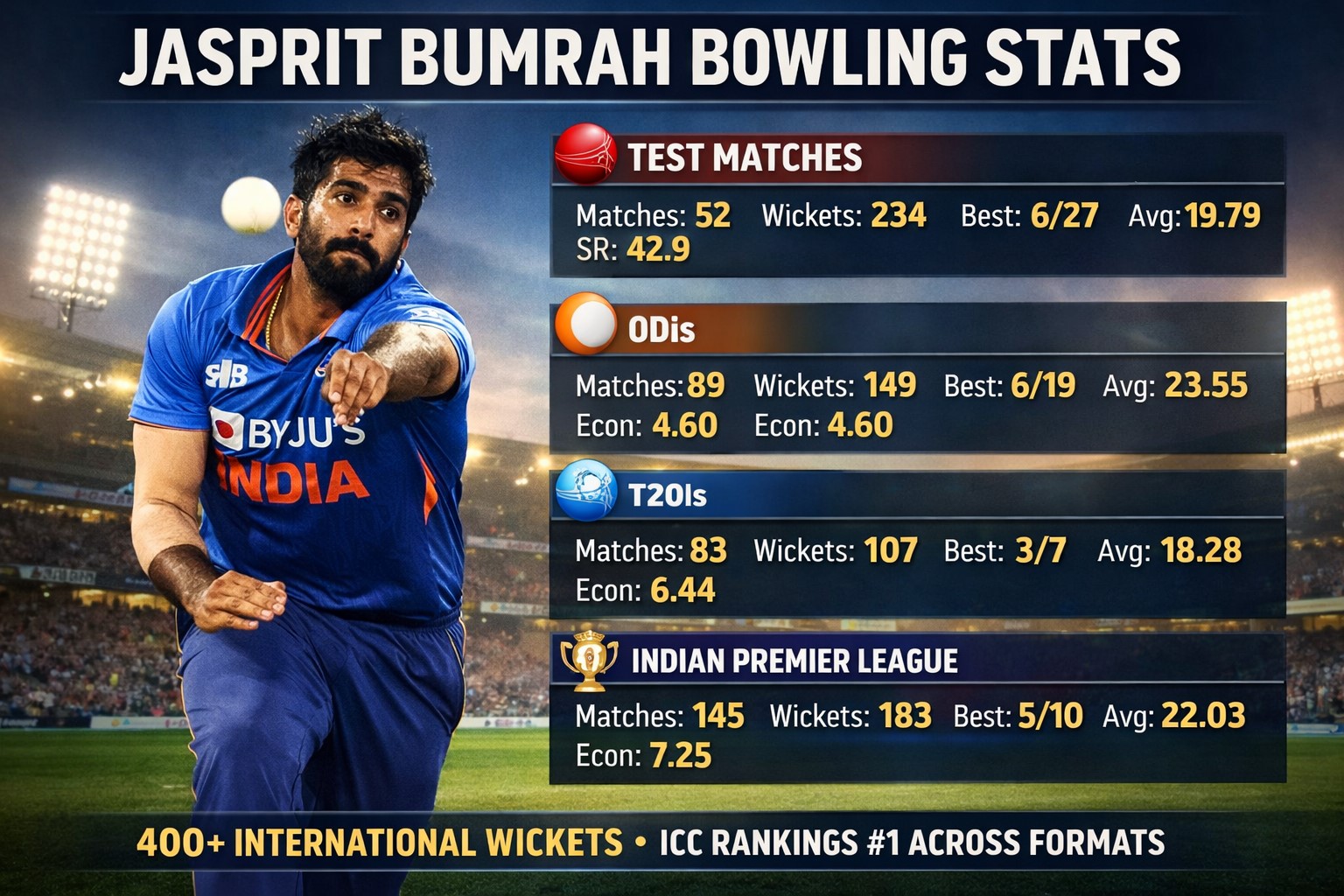
Jasprit Bumrah Bowling Stats: A Complete Analysis of One of Cricket’s Greatest Pace Bowlers
Introduction: Jasprit Bumrah Bowling Stats Jasprit Bumrah is one of the most dominant and celebrated fast bowlers in modern cricket. From his debut in 2016, he has continuously impressed fans and analysts…
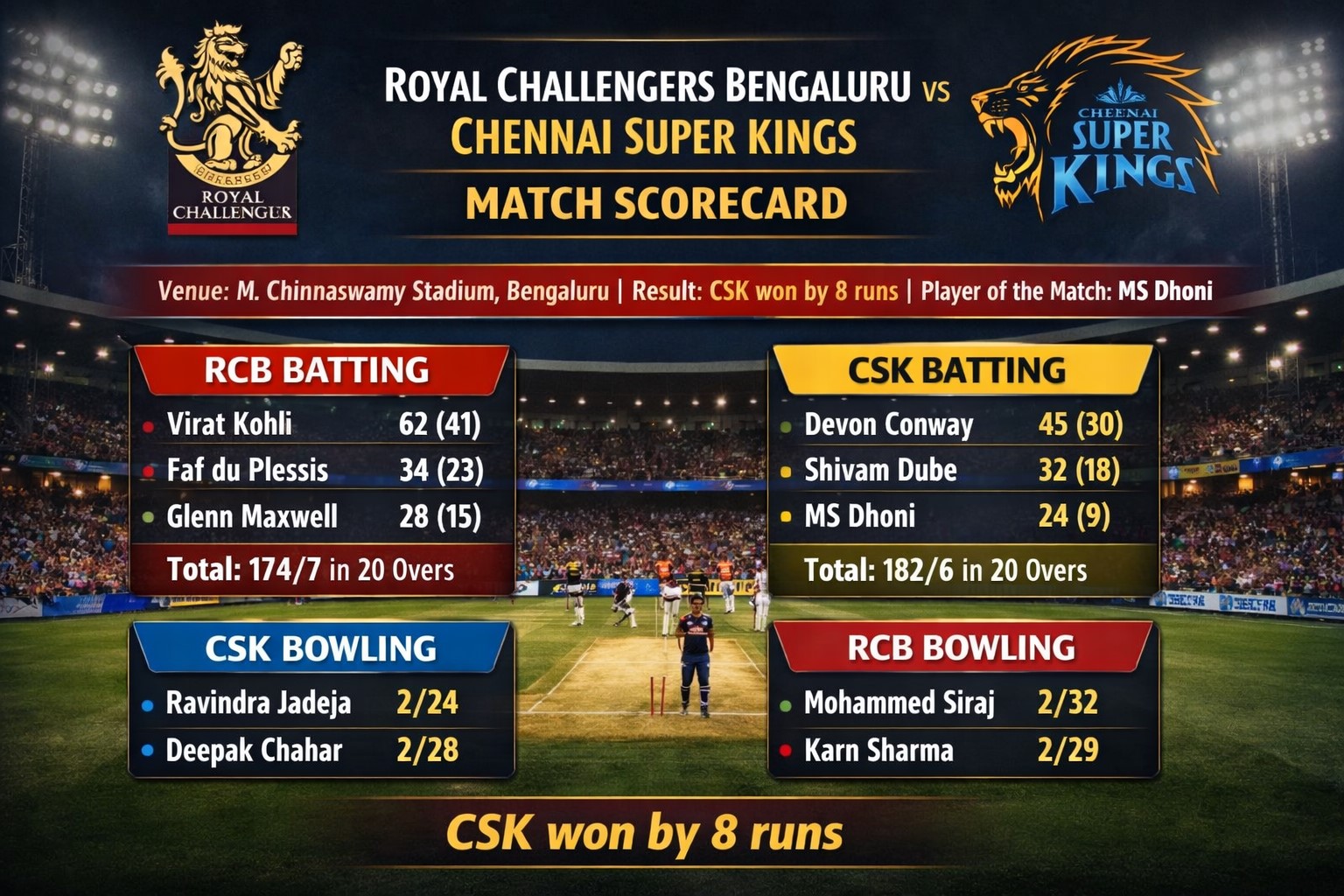
Royal Challengers Bengaluru vs Chennai Super Kings Match Scorecard: Complete Match History, Records, and Detailed Analysis
Introduction: Royal Challengers Bengaluru vs Chennai Super Kings Match Scorecard The rivalry between Royal Challengers Bengaluru and Chennai Super Kings is one of the most exciting and historic rivalries in the Indian…
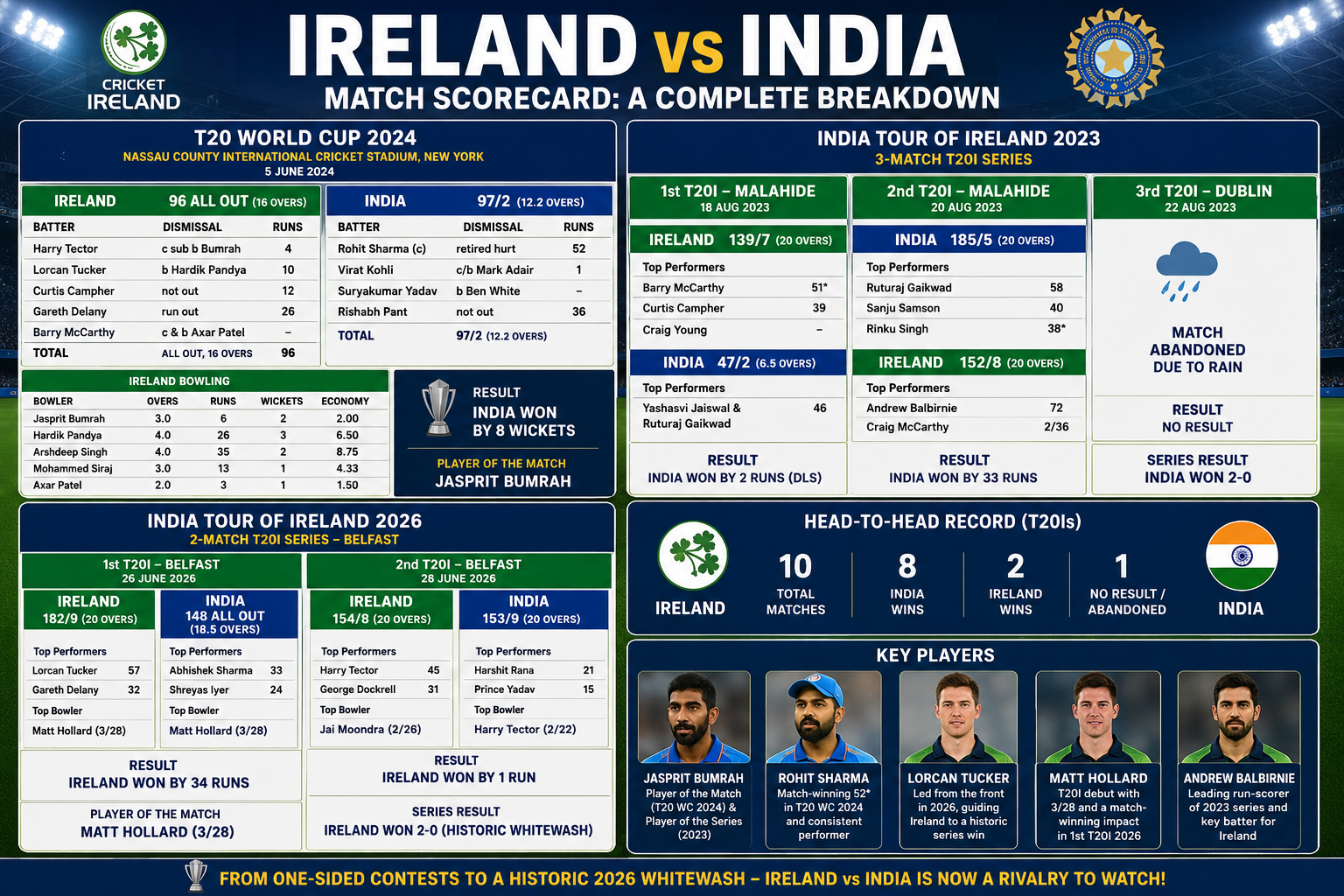
Ireland Cricket Team vs India National Cricket Team Match Scorecard: A Complete Breakdown
Cricket fans searching for the Ireland cricket team vs India national cricket team match scorecard are often looking for more than just a final result. They want to know when these teams…