Introduction: Top Cricket Players in India
Cricket in India is more than just a sport; it is a passion that unites millions across the country and has become an integral part of the nation’s culture. From the dusty grounds of small towns to the massive stadiums in metropolitan cities, cricket has shaped the identity of countless Indians and has created legends who inspire generations. The journey of Indian cricket from its humble beginnings during British colonial rule to becoming a powerhouse in world cricket is filled with iconic moments, record-breaking achievements, and unforgettable performances. India has produced some of the finest cricketers in the history of the game who have left a lasting impact on both national and international cricket. These players have shown exceptional skill, dedication, and resilience to become household names, and their contribution has not only enriched Indian cricket but also elevated its stature globally. In this article, we will discuss the top cricket players in India, including legendary icons, contemporary stars, and rising talents who are shaping the future of the sport.
Table of Contents
Evolution of Cricket in India
Early Beginnings of Indian Cricket
Cricket was introduced to India in the early 18th century by British colonizers, and initially, it was played mainly by the elite class in major cities like Bombay, Calcutta, and Madras. The first recorded cricket club in India was the Calcutta Cricket Club, established in 1792, and it marked the beginning of organized cricket in the country. India played its first official Test match in 1932 against England at Lord’s, which was a milestone for Indian cricket, signaling its entry into the international cricketing arena. In these early years, India struggled against established cricketing nations due to limited experience and infrastructure, but the love for the game grew steadily among Indians, laying the foundation for a strong cricketing culture.
Post-Independence Era
After India gained independence in 1947, cricket became a symbol of national pride and unity. The 1950s and 1960s were formative years for Indian cricket, during which players like Vijay Hazare, Polly Umrigar, and Farokh Engineer represented India with distinction. The 1970s marked the arrival of legendary players like Sunil Gavaskar, who became the first Indian to score over 10,000 Test runs, and Kapil Dev, who would go on to lead India to its first World Cup victory. The 1983 Cricket World Cup win under Kapil Dev’s captaincy was a defining moment in Indian cricket history, establishing India as a serious contender in international cricket and inspiring a new generation of players to pursue the sport professionally.
Modern Era of Indian Cricket
The 21st century witnessed India emerging as a dominant cricketing nation with iconic players such as Sachin Tendulkar, Rahul Dravid, Sourav Ganguly, and MS Dhoni. India’s success in various formats of the game, including Test matches, One Day Internationals, and T20s, was complemented by the rise of the Indian Premier League, which gave young talents a platform to showcase their skills on an international stage. Modern Indian cricket is characterized by its aggressive batting, strong bowling attacks, and tactical leadership, making the country one of the most respected cricketing nations in the world. Today, Indian cricket continues to evolve, with rising stars adding depth and diversity to the team, ensuring a promising future for the sport.
Legendary Indian Cricketers
Sachin Tendulkar: The God of Cricket
Sachin Tendulkar, born in 1973 in Mumbai, is widely regarded as the greatest cricketer of all time. Tendulkar made his Test debut at the age of 16 and went on to have a career spanning more than two decades, setting numerous records along the way. Known for his elegant batting style, impeccable technique, and unmatched consistency, Tendulkar has scored over 34,000 runs across formats, including 100 international centuries, a record that remains unbeaten. He was the first player to score a double century in One Day Internationals and played 200 Test matches, the most by any cricketer. Tendulkar’s dedication and sportsmanship earned him the Bharat Ratna, India’s highest civilian award, reflecting his immense contribution to Indian cricket. Beyond his statistics, Tendulkar inspired millions with his humility, passion, and relentless pursuit of excellence, making him a symbol of cricketing perfection worldwide.
Kapil Dev: The All-Rounder Extraordinaire
Kapil Dev, born in 1959 in Chandigarh, is celebrated as one of India’s greatest all-rounders who transformed Indian cricket with his aggressive batting and lethal swing bowling. Kapil Dev’s leadership was instrumental in India’s historic 1983 World Cup victory, which not only brought glory to Indian cricket but also motivated young players across the country. He was the former highest wicket-taker in Test cricket with 434 wickets and played numerous match-winning innings that showcased his fearless approach. Kapil’s ability to perform under pressure and lead by example has made him an inspirational figure, especially for aspiring all-rounders. His contributions laid the foundation for India’s rise as a competitive cricketing nation and left an indelible mark on the history of Indian cricket.
Rahul Dravid: The Wall of Indian Cricket
Rahul Dravid, born in 1973 in Indore, is known as “The Wall” for his solid defense, patience, and ability to anchor innings in the toughest conditions. Dravid’s impeccable technique and mental toughness allowed him to face the world’s best bowlers and succeed consistently in Test cricket. He scored over 13,000 runs in Tests and was renowned for his ability to build long innings while supporting other batsmen. Beyond his batting, Dravid was a mentor and guide for young cricketers, both during his playing career and after retirement. His calm demeanor, professionalism, and sportsmanship earned him respect worldwide, making him one of the most admired figures in cricket history. Dravid’s contributions to Indian cricket go beyond numbers; he set a standard for consistency, dedication, and class that continues to inspire generations.
MS Dhoni: Captain Cool
MS Dhoni, born in 1981 in Ranchi, is one of the most successful captains and finishers in cricket history. Dhoni’s calmness under pressure, innovative strategies, and ability to lead India to victories in crucial matches have made him an iconic figure. He led India to the inaugural T20 World Cup in 2007, the ODI World Cup in 2011, and the Champions Trophy in 2013, becoming the only captain in history to win all three ICC tournaments. Dhoni’s wicket-keeping skills, sharp cricketing mind, and explosive batting style have made him a formidable player in all formats. He scored over 10,000 runs in ODIs with a remarkable strike rate and became a role model for aspiring cricketers. Dhoni’s leadership style, ability to nurture young talent, and extraordinary match-winning performances have left a lasting legacy on Indian cricket.
Modern Indian Cricket Stars
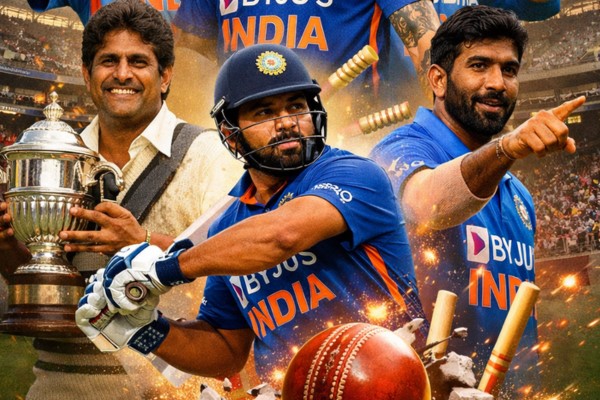
Virat Kohli: The Run Machine
Virat Kohli, born in 1988 in Delhi, is considered one of the best batsmen in modern cricket, known for his aggressive approach, exceptional consistency, and ability to chase targets under pressure. Kohli has scored more than 12,000 ODI runs, making him one of the fastest batsmen to achieve numerous milestones, including 8,000, 9,000, 10,000, and 11,000 runs. He captained India across formats, leading the team to historic overseas victories and consistent performances in all formats of the game. Kohli has won multiple ICC awards, including the prestigious Cricketer of the Year, and is admired for his fitness, determination, and hunger for runs. His passion, discipline, and leadership qualities have inspired countless young cricketers to follow his footsteps.
Rohit Sharma: The Hitman
Rohit Sharma, born in 1987 in Nagpur, is known for his elegant batting, explosive stroke play, and remarkable ability to score big hundreds. Rohit holds the record for the highest individual score in ODIs (264 runs) and is the only player to score three double centuries in ODI cricket. He has also been a crucial performer in T20 cricket and captained the Mumbai Indians in the IPL to multiple championship victories. Rohit’s timing, positioning, and composure under pressure make him a dependable batsman in all formats. His leadership in domestic and international cricket, combined with his ability to dominate bowlers, has earned him a reputation as one of the most accomplished cricketers in India.
Jasprit Bumrah: The Pace Sensation
Jasprit Bumrah, born in 1993 in Ahmedabad, is widely regarded as one of the best fast bowlers in the world due to his unique action, accurate yorkers, and ability to bowl under pressure. Bumrah has been a key player in India’s limited-overs and Test teams, taking crucial wickets in challenging situations. He is known for his deadly death-over bowling and consistent performances overseas, helping India achieve historic Test victories in countries like Australia and England. Bumrah’s rise from domestic cricket to international stardom has inspired young bowlers to focus on precision, fitness, and innovative techniques. His presence in the Indian bowling attack provides both confidence and fear to opponents worldwide.
Rising Stars of Indian Cricket
Shubman Gill: The Young Prodigy
Shubman Gill, born in 1999 in Punjab, is one of India’s most promising young cricketers, known for his elegant stroke play, calm temperament, and consistency. Gill has already made significant contributions in Test matches and limited-overs cricket, earning praise for his technique and maturity despite his young age. He has been a key performer in the Indian Premier League, showcasing his ability to handle high-pressure situations. With a bright future ahead, Gill is considered a cornerstone of India’s next generation of batting talent and is expected to play a pivotal role in shaping the team’s success in the coming years.
Rishabh Pant: The Fearless Wicket-Keeper Batsman
Rishabh Pant, born in 1997 in Uttarakhand, is known for his aggressive batting style, fearless approach, and ability to change the course of a match within a few overs. Pant has delivered match-winning performances in both Tests and limited-overs formats, earning recognition as one of India’s most dynamic middle-order batsmen. He played a crucial role in India’s overseas victories and is admired for his ability to perform under pressure. Pant’s flamboyance, attacking mindset, and potential for leadership make him one of the most exciting talents in Indian cricket today.
Prithvi Shaw: The Young Stroke-Maker
Prithvi Shaw, born in 1999 in Mumbai, is recognized for his attacking batting style, confidence, and ability to dominate bowlers from the start. Shaw made headlines by scoring the fastest century by an Indian on Test debut and has continued to impress in domestic and IPL cricket. His elegant footwork, quick scoring, and fearless approach make him one of the brightest young talents in Indian cricket. With consistent performances and growth, Shaw is expected to become a mainstay in the Indian batting lineup in the future.
Indian Cricket in Domestic and T20 Leagues
Indian Premier League (IPL)
The Indian Premier League has revolutionized cricket in India by providing a platform for young talents to compete alongside international stars. IPL has helped players like Shubman Gill, Jasprit Bumrah, and Prithvi Shaw gain valuable experience and exposure. The league has also created opportunities for emerging cricketers to showcase their skills and make an impact on the international stage. With its global reach, high-intensity matches, and competitive environment, IPL continues to be a major contributor to India’s cricketing success.
Domestic Cricket Structure
India’s domestic cricket system, including the Ranji Trophy, Vijay Hazare Trophy, and Syed Mushtaq Ali Trophy, plays a vital role in nurturing talent and preparing players for international cricket. Many top cricketers, including Rahul Dravid, Virat Kohli, and Jasprit Bumrah, began their careers in domestic tournaments, which helped them develop skills, gain experience, and build confidence. A strong domestic structure ensures a steady pipeline of talent, allowing India to maintain its competitive edge in world cricket.
Conclusion
Indian cricket has evolved from its early struggles to becoming a global powerhouse, thanks to legendary players, modern stars, and emerging talents. Players like Sachin Tendulkar, Kapil Dev, Rahul Dravid, and MS Dhoni have left an indelible mark on the game, while contemporary stars such as Virat Kohli, Rohit Sharma, and Jasprit Bumrah continue to inspire millions. Rising talents like Shubman Gill, Rishabh Pant, and Prithvi Shaw represent the future of Indian cricket, promising a continued legacy of excellence, resilience, and passion. With a strong domestic system, vibrant leagues like the IPL, and a culture that celebrates cricket, India’s cricketing journey remains a story of talent, determination, and unyielding spirit that captivates fans across generations.
Related Posts
Mumbai Indians vs Rajasthan Royals Timeline: Thrilling IPL Match History & Iconic Stats
Introduction: Mumbai Indians vs Rajasthan Royals Timeline: Complete IPL Match History & Key Stats The rivalry between the Mumbai Indians (MI) and the Rajasthan Royals (RR) is one of the most fascinating…
Rajasthan Royals vs Royal Challengers Bengaluru Timeline: Head-to-Head Records, Match History, Stats & Memorable Moments (2008–2025)
The Rajasthan Royals vs Royal Challengers Bengaluru timeline represents one of the most engaging and unpredictable rivalries in the history of the Indian Premier League (IPL). Since the league’s inception in 2008,…
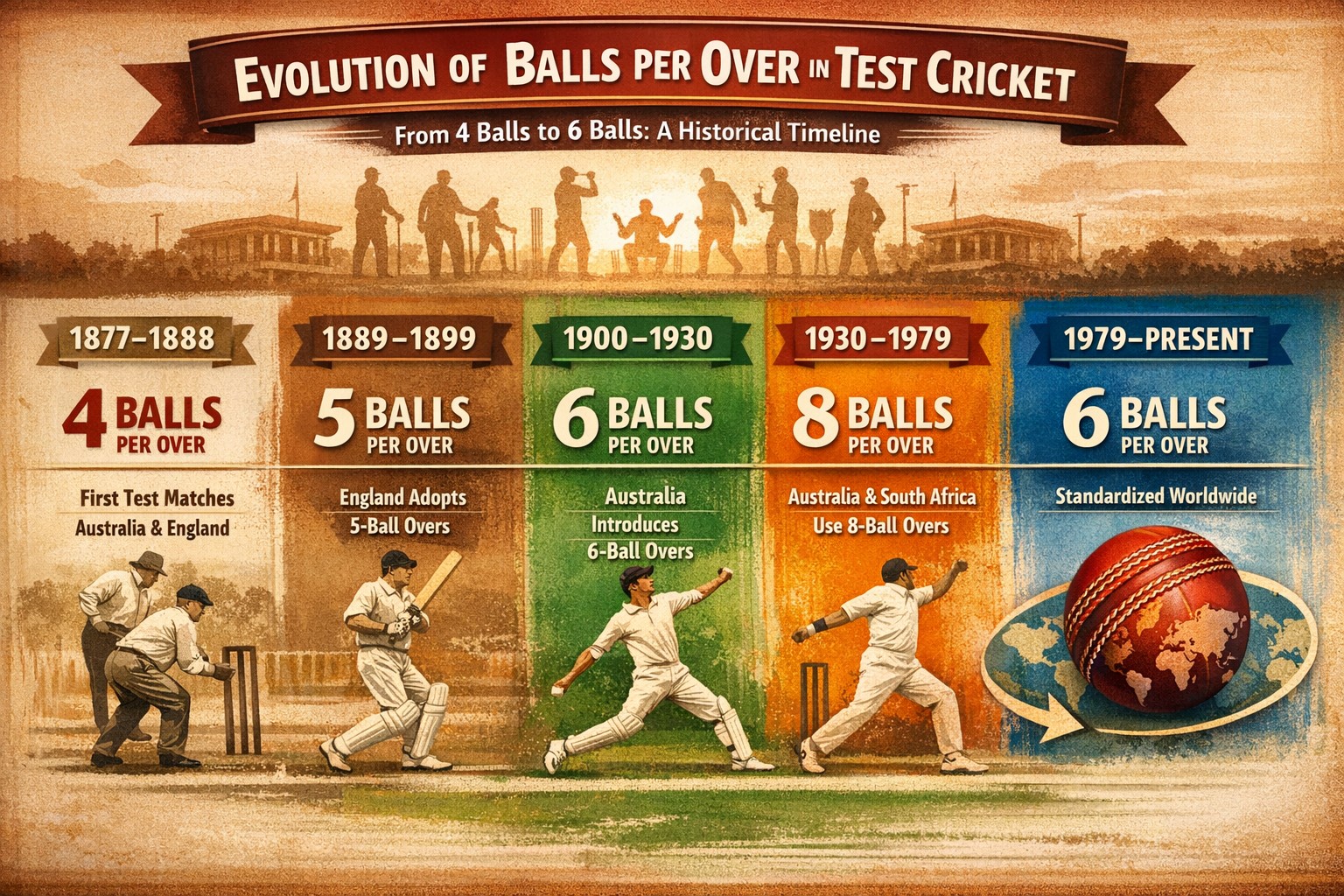
The Fascinating Story of How Many Balls Were Originally there in one test over
Cricket is one of the oldest and most cherished sports in the world, with a rich history dating back several centuries. While most casual fans know the game as being played with…