Introduction: Cricket History Evolution
Cricket is not just a sport; it is a cultural phenomenon, a reflection of history, and a mirror to societal evolution. From its humble beginnings in the English countryside to becoming a global spectacle watched by millions, the journey of cricket is remarkable, filled with innovation, legendary players, and unforgettable moments. The evolution of cricket over centuries mirrors the changes in society, technology, and entertainment, demonstrating the game’s ability to adapt while maintaining its core values. This article explores the detailed history of cricket, its international spread, evolution of formats, legendary figures, cultural impact, challenges, and the promising future that awaits this timeless game.
Table of Contents
Origins of Cricket
Early Beginnings in England
The origins of cricket trace back to the 16th century in England, primarily as a rural pastime. Initially played by children in the counties of Kent and Sussex, cricket was a simple bat-and-ball game that gradually captured the imagination of adults as well. Evidence of cricket during this period is scarce, but historical records, including a 1598 court case, mention the game as a recreational activity, suggesting its growing popularity. The game was simple yet engaging: a rudimentary ball, a bat resembling a hockey stick, and open fields formed the setting for early cricket matches. As villages expanded and social gatherings became more frequent, cricket transitioned from a mere pastime to an organized recreational activity, gaining recognition among the English population.
Cricket in the 17th and 18th Centuries
By the 17th century, cricket began to formalize with incremental changes to equipment and rules. Wooden bats with flat faces replaced earlier designs, enabling players to control shots more effectively and introducing a strategic element to batting. The 18th century was a transformative period for cricket. Clubs like the Hambledon Club in Hampshire emerged as pioneers, while wealthy patrons and nobles sponsored matches, which were often associated with gambling, drawing crowds and increasing the sport’s visibility. The foundation of the Marylebone Cricket Club (MCC) in 1787 was a defining moment. The MCC established standardized rules, which were later adopted worldwide, cementing its role as the custodian of cricket laws. During this era, cricket also began to transition into a sport that not only tested skill but also strategy, endurance, and sportsmanship.
Cricket Spreads Internationally
The Colonial Influence
Cricket’s spread beyond England is intrinsically linked to the expansion of the British Empire. British colonists, traders, and soldiers carried the game to distant lands, introducing it to India, Australia, the West Indies, and South Africa. In India, cricket became popular among urban elites, particularly in Bombay (Mumbai), Madras (Chennai), and Calcutta (Kolkata). The Parsees were the first Indian community to establish cricket clubs, laying the groundwork for India’s long-standing cricketing tradition. In Australia, cricket emerged as a symbol of colonial identity, uniting communities and fostering competition against visiting English teams. The Caribbean islands embraced cricket as a unifying sport, while in South Africa, it became intertwined with European settlement and emerging nationalism, reflecting the social structures of the time.
The First International Matches
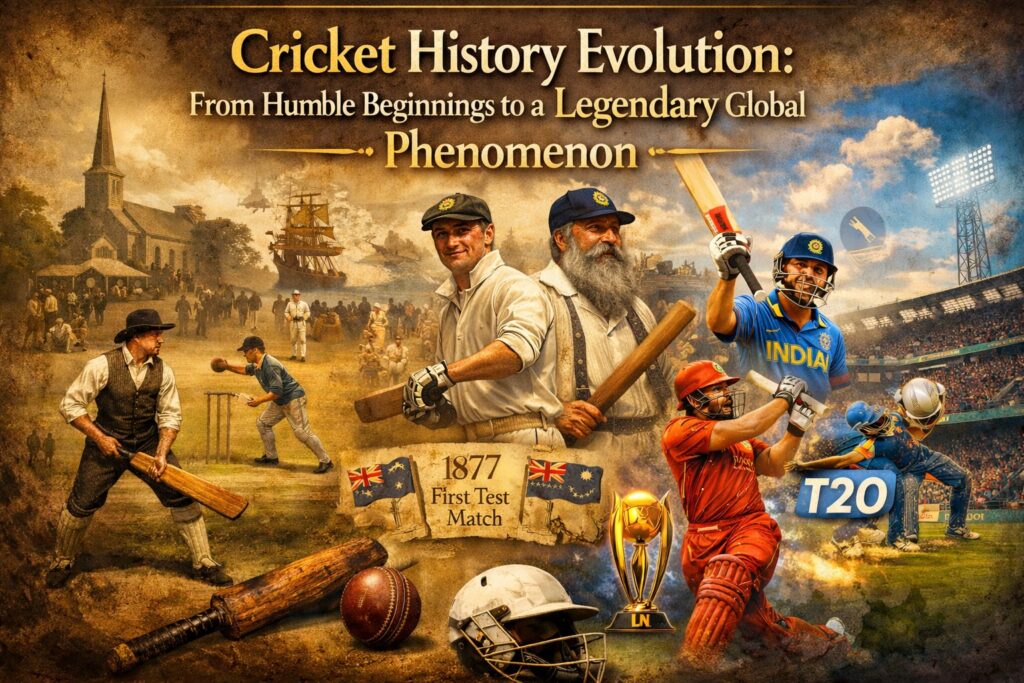
The evolution of cricket took a significant leap with international competition. The first official Test match was played between England and Australia at the Melbourne Cricket Ground in 1877, establishing the foundation for international cricket. This match marked the beginning of one of the sport’s greatest rivalries, known today as The Ashes, which continues to captivate fans around the world. In the Caribbean, cricket grew as a unifying force among various islands, creating a sense of identity and regional pride. South Africa also embraced international cricket, using it as a platform to engage with European culture and colonial influence. These international fixtures transformed cricket from a regional pastime into a global sport, introducing competitive intensity, strategic depth, and a platform for legendary performances.
Evolution of Cricket Formats
Birth of Test Cricket
Test cricket, often referred to as the “purest” form of the game, became prominent in the late 19th century. Played over three to five days, Test matches required immense technical skill, mental resilience, and strategic thinking. Legendary cricketers like W.G. Grace dominated this era, elevating cricket from a recreational sport to a professional pursuit. The introduction of overarm bowling revolutionized the game, allowing bowlers to generate more speed and movement, challenging batsmen to develop refined techniques. Test cricket emphasized patience, endurance, and tactical planning, making it a format where every decision mattered, from field placements to batting orders.
Introduction of One-Day Internationals (ODIs)
The mid-20th century marked the emergence of One-Day Internationals (ODIs), a faster and more dynamic format designed to appeal to modern audiences. Introduced in 1971, ODIs initially featured 60 overs per side, reducing match duration and creating opportunities for aggressive batting, innovative bowling, and high-scoring encounters. The first Cricket World Cup, held in 1975 in England, showcased the global appeal of limited-overs cricket, attracting audiences beyond traditional Test match followers. Players like Clive Lloyd, Dennis Lillee, and Sunil Gavaskar became icons during this era, demonstrating adaptability and skill in both traditional and new formats.
Emergence of T20 Cricket
The 21st century introduced the revolutionary Twenty20 (T20) format, which condensed cricket into approximately three hours of high-octane action. T20 cricket emphasized entertainment, explosive batting, innovative bowling, and spectacular fielding, transforming the sport into a global spectacle. Domestic leagues such as the Indian Premier League (IPL), Big Bash League (BBL), and Caribbean Premier League (CPL) revolutionized cricket’s commercial and cultural landscape. Players like Chris Gayle, AB de Villiers, and Virat Kohli became global icons, blending skill, athleticism, and charisma to captivate audiences. T20 cricket not only increased the sport’s popularity but also introduced strategic nuances, such as power plays, death overs, and batting innovations, creating a dynamic and engaging experience for fans.
Cricket Equipment and Technological Evolution
Bat, Ball, and Protective Gear
The evolution of cricket equipment reflects the changing demands of the game. Bats have transitioned from simple wooden sticks to precision-engineered instruments designed for maximum power and control. Balls are manufactured to exacting standards, ensuring consistent bounce, seam movement, and durability. Protective gear, including helmets, pads, gloves, and chest guards, became essential as bowling speeds increased and aggressive batting techniques emerged. This evolution in equipment allowed players to perform at higher intensity levels while minimizing the risk of injury, ensuring that cricket remained both competitive and safe.
Technology in Cricket
The integration of technology has revolutionized cricket, enhancing fairness, analysis, and fan engagement. Innovations like the Decision Review System (DRS), Hawk-Eye, and Snickometer have improved umpiring accuracy, while high-definition broadcasts, slow-motion replays, and digital graphics have elevated viewer experience. Technology has also influenced strategy, with data analytics guiding player selection, bowling plans, and batting approaches. From on-field decisions to global fan interaction, technology has become an inseparable part of modern cricket, shaping the game for both players and spectators.
Legendary Cricketers and Their Impact
Pioneers of the Game
The foundations of cricket were laid by pioneering players like W.G. Grace, Don Bradman, and Garry Sobers. W.G. Grace’s dominance in the 19th century popularized cricket as a professional sport, while Don Bradman’s unmatched batting average of 99.94 became a benchmark of cricketing excellence. Garry Sobers, with his all-round abilities, exemplified versatility and strategic brilliance, setting standards that inspired generations of cricketers worldwide.
Modern Era Icons
The modern era produced legends who defined cricket’s contemporary identity. Sachin Tendulkar, Brian Lara, Ricky Ponting, and Muttiah Muralitharan left indelible marks with their performances across formats. Tendulkar’s consistency, Lara’s artistry, Ponting’s leadership, and Muralitharan’s spin mastery elevated cricket into a global spectacle. These players not only shattered records but also inspired millions, creating a legacy that transcends borders and generations. Their contributions exemplify the fusion of skill, strategy, and charisma that continues to drive cricket’s worldwide popularity.
Cricket’s Cultural and Social Impact
Uniting Nations
Cricket is a unifying force that goes beyond sport. In countries like India, Pakistan, Australia, and the West Indies, cricket serves as a platform for national pride, social cohesion, and collective identity. Historic moments, such as India’s 1983 World Cup victory or the 1992 World Cup in Australia and New Zealand, created lasting cultural impact, inspiring communities and fostering a sense of shared achievement. Cricket matches often become occasions where politics, society, and culture intersect, reinforcing its significance beyond mere competition.
Cricket and Social Change
Cricket has also mirrored social progress and inclusivity. The rise of women’s cricket, professional leagues, and international tournaments highlights strides toward gender equality. Organizations like the ICC have promoted women’s cricket globally, ensuring equal opportunities and recognition for female athletes. Additionally, cricket has fostered social change by providing platforms for underrepresented communities, emphasizing values of teamwork, discipline, and resilience while bridging social divides.
Challenges and Controversies
Match-Fixing and Corruption
Cricket has faced challenges, including corruption and match-fixing scandals that threatened its credibility. Incidents in the late 1990s and early 2000s drew global attention, prompting regulatory bodies such as the ICC to implement strict anti-corruption measures. Ensuring transparency, accountability, and ethical conduct remains essential for maintaining cricket’s integrity and sustaining public trust.
Balancing Tradition and Modernity
Balancing cricket’s rich heritage with the demands of modern audiences presents an ongoing challenge. Traditionalists often view T20 and commercialized formats as a threat to the strategic depth and elegance of Test cricket. Nevertheless, cricket has successfully maintained equilibrium by valuing all formats while embracing technological, commercial, and entertainment-driven innovations, allowing the sport to remain both timeless and relevant.
The Future of Cricket
Global Expansion
The future of cricket lies in global expansion and innovation. Efforts by the ICC and national boards aim to introduce cricket to non-traditional regions such as the United States, China, and parts of Europe. Developmental programs, international tours, and T20 leagues seek to broaden the sport’s reach, cultivating new audiences and players while fostering international collaboration and cultural exchange.
Innovations in Formats and Gameplay
Cricket continues to evolve with technological advancements, data analytics, and creative format experimentation. Future innovations may include enhanced player performance tracking, artificial intelligence in strategy, eco-friendly equipment, and even novel game formats that further increase engagement. As the sport grows, cricket will continue to adapt, blending tradition with modernity, ensuring that it remains a global passion for generations to come.
Conclusion
The history and evolution of cricket is a remarkable story of adaptation, innovation, and enduring appeal. From its early days in English villages to international Test matches, ODIs, and T20 leagues, cricket has evolved into a global sport that unites nations, inspires players, and captivates fans. Legendary cricketers, technological advancements, and cultural significance have all contributed to cricket’s transformation into a sport that continues to grow while honoring its traditions. As cricket moves forward, embracing new formats, global expansion, and technological integration, it remains a timeless game, a testament to human skill, strategy, and the universal love of sport.
Related Posts
New Zealand National Cricket Team vs Pakistan National Cricket Team Match Scorecard: Latest Results, Exciting History and Head-to-Head
Introduction: New Zealand National Cricket Team vs Pakistan National Cricket Team Match Scorecard The New Zealand national cricket team vs Pakistan national cricket team match scorecard is a popular search whenever these…
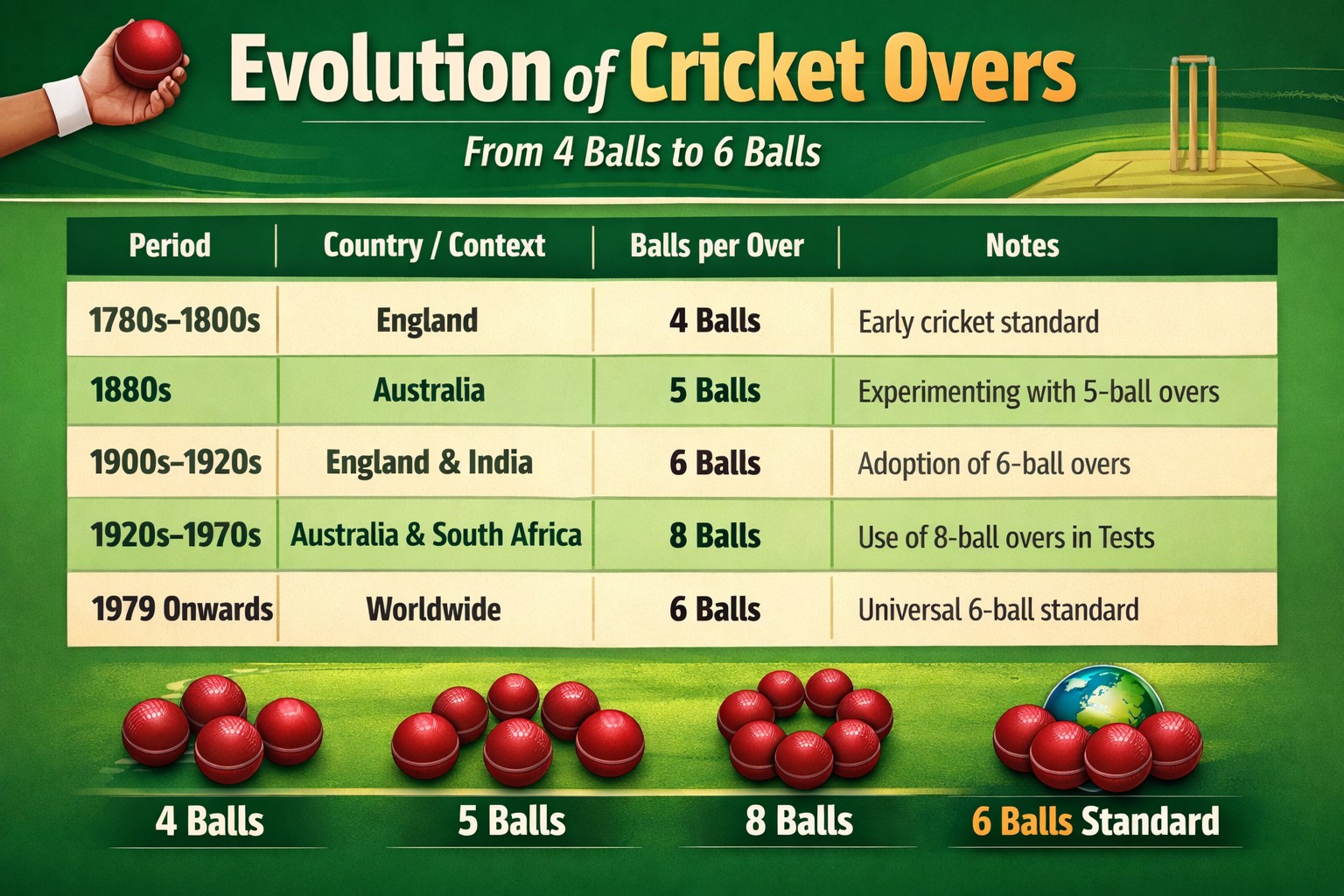
Why Cricket Overs Changed from 4 to 6 Balls: The Fascinating Evolution That Shaped Modern Cricket
Introduction: Why Cricket Overs Changed from 4 to 6 Balls Cricket, often referred to as a gentleman’s game, has evolved tremendously since its inception in the 16th century. One of the most…
Sri Lanka National Cricket Team vs Bangladesh National Cricket Team Match Scorecard: Complete Match Breakdown, In-Depth Analysis, and Historical Rivalry Explained
Introduction to the Sri Lanka vs Bangladesh Cricket Contest The Sri Lanka national cricket team vs Bangladesh national cricket team match scorecard is more than a simple statistical record; it is a…